Your cart (0)
Jojoba Oil for Hair Care Guide
Medically Reviewed by
Traya Expert
Published Date: March 24, 2026
Updated: March 24 at 7:00 AM
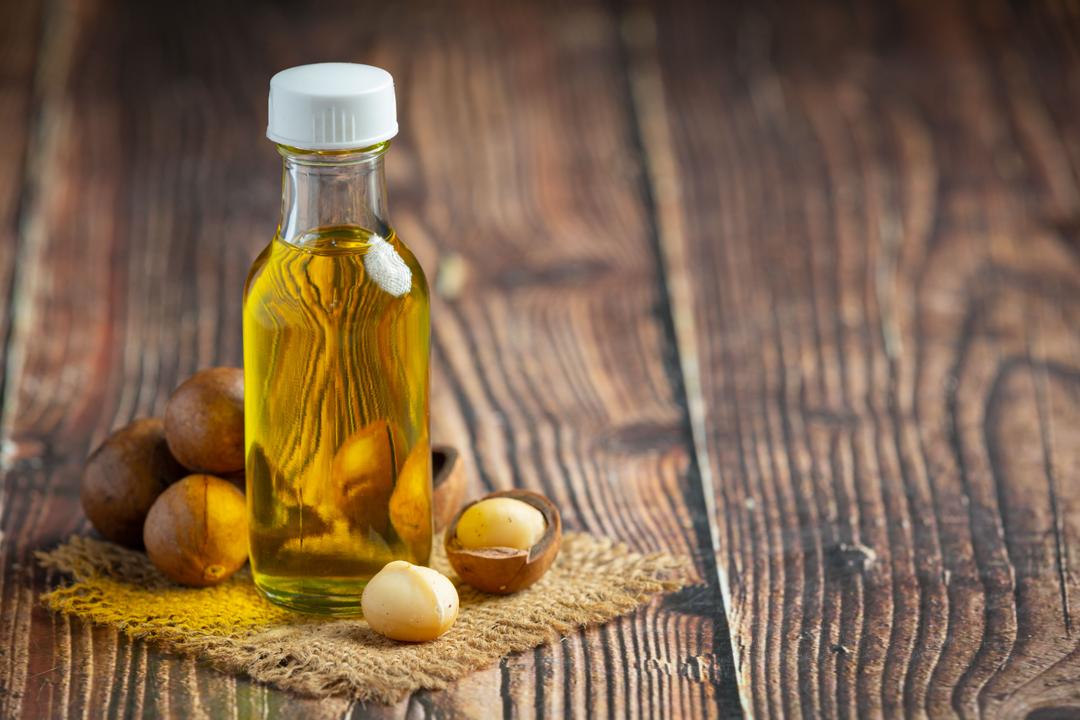
Jojoba oil is one of the few plant-based oils that closely mimics the scalp's natural sebum, making it genuinely useful rather than just trendy. Extracted from the seeds of the jojoba shrub, it is technically a liquid wax with a stable molecular structure that resists oxidation and penetrates the follicle without blocking it.
Key takeaways:
- Jojoba oil resembles human sebum more than almost any other plant oil
- It works on the scalp barrier, not just the hair strand surface
- It suits dry, oily, and sensitive scalp types when used correctly
- UAE environmental factors - hard water, AC dryness, heat - increase how much benefit it can offer
- It is not a treatment for clinical Hair Loss conditions but can support scalp health as part of a broader routine
- Incorrect application or overuse can cause buildup and worsen scalp congestion
What Makes Jojoba Oil Different From Other Hair Oils
Most oils used for hair - coconut, castor, argan - are triglyceride-based, meaning they are true oils with fatty acid chains. Jojoba is different. It is a wax ester, meaning its molecular structure is almost identical to the sebum your scalp produces naturally.
This matters because sebum plays a protective role. It forms part of the acid mantle - a thin film on the scalp surface that keeps moisture in, keeps pathogens out, and maintains the slightly acidic pH that supports healthy follicle function. When the acid mantle is disrupted, the scalp becomes vulnerable to dryness, flaking, inflammation, and sometimes hair fall.
Jojoba's wax ester composition allows it to blend into this sebum layer rather than sitting on top of it. It does not clog follicles the way heavier oils can. For people in Dubai or Abu Dhabi alternating between outdoor heat, air-conditioned offices, and chlorinated swimming pools, this disruption to the acid mantle happens repeatedly throughout the week. Jojoba can help replenish what these environmental cycles strip away.
The Science Behind Jojoba Oil and Scalp Health
How It Interacts With the Scalp Barrier
The scalp's outer layer - the stratum corneum - relies on a combination of lipids, water, and natural moisturising factors to stay intact. Heat, pollution, hard water, and aggressive shampooing all degrade this barrier over time. A degraded barrier does not just cause dryness. It allows irritants and microbes to penetrate more easily, which can trigger inflammatory responses at the follicle level.
Jojoba oil contains tocophérols (a form of vitamin E), eicosenoic acid, and erucic acid. These compounds help restore lipid content in the stratum corneum, reduce transepidermal water loss, and provide mild antioxidant protection. The result is a calmer, more balanced scalp surface - not a treatment for conditions like alopecia, but a meaningful improvement in baseline scalp environment.
Antimicrobial and Anti-Inflammatory Properties
Several studies have noted jojoba oil's mild antimicrobial activity. The wax esters appear to inhibit the growth of certain bacteria and fungi on the skin surface. While this does not make jojoba oil a substitute for medicated antifungal treatments, it does mean that regular use may help keep the scalp's microbial balance more stable.
A 2012 study published in the journal Forschende Komplementärmedizin found that clay masks combined with jojoba oil reduced skin lesions and improved skin condition significantly. While not a direct hair study, the mechanism - reducing surface inflammation and bacterial load - is relevant to scalp health.
People dealing with mild scalp irritation from Dubai's combination of heat sweat, hard tap water deposits, and product buildup may find this anti-inflammatory property particularly relevant.
Does Jojoba Oil Stimulate Hair Growth?
This is where the evidence becomes limited and honest expectations matter. There is no clinical trial directly proving that jojoba oil alone stimulates new hair growth in humans. What the evidence supports is indirect: by improving scalp barrier function, reducing inflammation, and helping maintain a healthy sebum balance, jojoba creates conditions that are more supportive of existing follicle activity.
Hair follicles in an inflamed, dry, or congested scalp environment often produce thinner, weaker strands and may enter the resting (telogen) phase earlier. Addressing the scalp environment can therefore support hair quality and reduce some forms of stress-related shedding - but jojoba oil is a supportive tool, not a growth treatment.
Jojoba Oil Benefits for Hair: What the Evidence Actually Supports
| Benefit | Mechanism | Evidence Level |
|---|---|---|
| Scalp moisturisation | Fills lipid gaps in stratum corneum | Moderate (skin studies) |
| Sebum regulation | Mimics sebum, signals balance | Observational / anecdotal |
| Reduced scalp inflammation | Anti-inflammatory fatty acids | Moderate |
| Antimicrobial activity | Inhibits surface bacteria/fungi | Low to moderate |
| Frizz reduction | Coats cuticle, reduces moisture loss | Observational |
| Improved hair texture | Lubricates cuticle layer | Observational |
| Follicle unclogging | Non-comedogenic wax structure | Low |
The table above reflects what is reasonably supported. Claiming jojoba cures hair loss or reverses thinning is not supported by current clinical evidence.
Who Benefits Most From Jojoba Oil
Dry Scalp and Flaking
People with a dry scalp - common in UAE residents spending extended hours in air-conditioned environments - tend to see the most noticeable results. The constant cooling strips ambient moisture, and the scalp responds by either overproducing sebum (leading to grease) or underproducing it (leading to flaking and tightness). Jojoba helps restore lipid balance without adding heaviness.
Oily Scalp
This seems counterintuitive, but applying a sebum-mimic like jojoba can actually reduce overproduction. When the scalp detects sufficient lipid coverage, it may ease up on its own sebum output. The key is using a small amount - one or two drops - and not leaving it on for too long before washing.
Colour-Treated or Chemically Processed Hair
Chemical processes - relaxers, bleaching, keratin treatments - strip the hair's natural lipid layer, leaving the cuticle rough and porous. Jojoba's wax coating temporarily smooths the cuticle surface, reducing breakage and improving shine. This is especially relevant in the UAE, where high UV exposure accelerates colour fade and protein loss in treated hair.
Sensitive or Reactive Scalp
Jojoba is one of the gentlest carrier oils available. It is non-irritating for most skin types and rarely causes allergic reactions compared to nut-based or seed-based oils. For people with contact dermatitis or a history of scalp reactions, it is often a safer choice than coconut or almond oil.
How to Use Jojoba Oil for Hair: Application Methods
Scalp Pre-Wash Treatment
This is the most effective method for scalp-focused benefits. Apply 5–10 drops of pure jojoba oil directly to the scalp using a dropper or fingertips. Massage gently for 2–3 minutes using circular motions - this supports blood flow to the follicle area and improves absorption. Leave it on for 20–30 minutes, then shampoo as normal.
Leaving oil on overnight is not necessary and can attract dust, disrupt sleep hygiene, and cause pillow-related friction that weakens strands. In a dusty UAE environment, overnight oiling also increases the chance of debris embedding near follicle openings.
Hair Serum Substitute
Apply 1–2 drops to damp hair - not the scalp - after washing. Distribute through mid-lengths and ends to reduce frizz and add a light protective coating before heat styling or going outdoors. This method does not deliver scalp benefits but works well as a finishing step.
Mixed Into a Hair Mask
Jojoba combines well with ingredients like aloe vera gel, yoghurt, or egg white. Adding a few drops to a homemade mask increases the mask's ability to penetrate the cuticle while providing a smoother application texture. Use once a week.
Added to Shampoo or Conditioner
Adding 3–4 drops of jojoba oil to your regular shampoo bottle is a low-commitment entry point. It dilutes the potential drying effect of sulphates and adds a small amount of protective lipid content to each wash. This method produces subtle rather than dramatic results.
How Much to Use and How Often
| Hair Type | Amount Per Use | Frequency |
|---|---|---|
| Fine / low porosity | 2–4 drops | Once a week or less |
| Normal / medium porosity | 4–6 drops | Once or twice a week |
| Thick / high porosity | 6–10 drops | Two to three times a week |
| Oily scalp | 1–2 drops (ends only) | Once a week |
| Dry, flaky scalp | 5–8 drops (scalp focus) | Twice a week |
Using too much jojoba oil causes waxy buildup on the scalp. This buildup can block follicle openings, trap dead skin cells, and create an environment where the Malassezia yeast that causes dandruff thrives. In a humid Gulf summer, the risk of buildup is higher because sweat also accumulates on the scalp surface. If you notice increased heaviness, itchiness, or flaking after using jojoba oil, reduce frequency and amount before assuming you have an allergy.
Choosing the Right Jojoba Oil
Refined vs Unrefined
Unrefined (cold-pressed) jojoba oil retains more of its natural vitamin E, antioxidants, and wax ester content. It has a pale golden colour and a faint nutty smell. Refined jojoba is clear and odourless but has been processed in ways that reduce some beneficial compounds.
For hair and scalp use, unrefined cold-pressed jojoba oil delivers better results. Check that the label states "100% pure jojoba oil" with no added silicones, mineral oil, or fragrance.
What to Avoid
- Blended products labelled "jojoba oil blend" - these dilute the active content significantly
- Products with added parabens or synthetic fragrance, which can irritate a sensitive scalp
- Jojoba products combined with heavy oils like castor in a single bottle - these may be too occlusive for the scalp
Jojoba Oil and UAE Environmental Factors
The UAE presents a specific set of scalp stressors that most hair care guides written for temperate climates do not account for. Hard water - common across Dubai, Sharjah, and Abu Dhabi - contains high levels of calcium and magnesium that deposit on the scalp and hair shaft. These deposits raise the pH of the scalp surface, disrupting the acid mantle and increasing brittleness.
Applying jojoba oil before shampooing creates a thin protective film that reduces how much mineral content from hard water binds to the hair shaft. This is not a water softener, but it reduces adhesion enough to make a practical difference in hair texture over time.
The shift between outdoor temperatures of 40–45°C and indoor air conditioning kept at 18–22°C is a cycle that many UAE residents experience multiple times per day. Each transition forces the scalp's sebaceous glands to adjust output rapidly. Over weeks and months, this thermal cycling contributes to chronic scalp dryness or sebum irregularity. Regular jojoba use - particularly the pre-wash scalp application method - helps maintain lipid continuity through this cycle.
Ramadan fasting patterns, which are common across the UAE population, can also temporarily affect scalp health. Reduced hydration during daylight hours, combined with dietary changes, can lead to a temporary increase in scalp dryness and hair fragility. Using jojoba oil during this period as a topical scalp support can offset some of this surface-level dryness while dietary intake stabilises.
Safety, Side Effects, and Who Should Be Cautious
Jojoba oil is broadly considered safe for topical use. Allergic reactions are rare but possible - most commonly in people with sensitivity to the Simmondsia chinensis plant. A patch test on the inner forearm for 24 hours before scalp application is a sensible step for anyone trying it for the first time.
People with active scalp infections, open wounds, psoriasis plaques, or severe seborrhoeic dermatitis should not self-treat with oils. In these cases, the occlusive effect of any oil - even a light one like jojoba - can trap bacteria or interfere with medicated treatments. A dermatologist's guidance is appropriate before adding any oil to the routine.
Jojoba oil does not interact with medications in any documented way when used topically. However, using it on the scalp at the same time as prescription minoxidil or corticosteroid solutions may affect how these medications absorb. If you are using prescription scalp treatments, space the application of jojoba oil to a different time - for example, oil in the morning before washing, medication at night.
What Jojoba Oil Cannot Do
Being clear about limitations builds realistic expectations. Jojoba oil does not:
- Reverse androgenetic alopecia (male or female pattern hair loss)
- Regrow hair in follicles that have permanently closed
- Replace medical treatment for scalp conditions like psoriasis, tinea capitis, or alopecia areata
- Correct nutritional deficiencies (iron, ferritin, vitamin D, B12) that cause systemic hair shedding
- Substitute for stress management, sleep, or hormonal balance
Many UAE residents experience hair fall from a combination of telogen effluvium triggered by stress, nutritional gaps from busy work schedules and irregular eating, and scalp damage from hard water and heat. Jojoba oil addresses the topical layer of this problem. The internal drivers require a different approach.
A Root-Cause Approach: Traya's Perspective
Scalp oils, including jojoba, address one dimension of hair health - the external scalp environment. But hair fall in most adults has more than one cause operating at the same time.
Traya works by combining three scientific frameworks: Ayurveda, which looks at internal imbalances affecting the body's systems, including pitta aggravation linked to heat and stress that can manifest as scalp inflammation and hair fall; dermatology, which provides evidence-based guidance on follicle health, scalp conditions, and topical care; and nutrition science, which addresses the deficiencies - iron, ferritin, protein, vitamin D, B12 - that directly reduce hair shaft quality and growth cycle duration.
For someone in the UAE, the triggers often include a combination of hard water damage, heat-related scalp stress, a diet that may be lower in iron or B vitamins than ideal, disrupted sleep from night shifts or late social schedules, and chronic low-grade dehydration. A plan that only addresses the scalp topically will produce limited results when internal factors remain unaddressed.
Traya's approach involves analysing individual factors - age, hair-loss stage, health history, diet, stress levels, lifestyle habits, and UAE-specific environmental exposure - to build a personalised plan. Results depend on individual consistency and the complexity of contributing factors, and no outcomes are guaranteed. The Traya Hair Test is a useful starting point for understanding which factors may be contributing to hair concerns, rather than relying on a one-product approach.
Frequently Asked Questions
Can jojoba oil be applied directly to the scalp without diluting?
Yes, jojoba oil is safe to use undiluted on the scalp for most people. Unlike essential oils, it does not require a carrier oil base. However, using a small amount - 5 to 8 drops maximum per session - is advisable to prevent buildup, particularly if you have fine hair or an oily scalp.
How long does it take to see results from using jojoba oil on hair?
Scalp moisture and reduced tightness can be noticeable within a few applications. Improvements in hair texture and reduced breakage typically take 4 to 8 weeks of consistent use. Jojoba oil does not stimulate new follicle growth, so it will not reverse hair thinning in that timeframe.
Is jojoba oil suitable for use in Dubai's humid summer climate?
Yes, but adjust the amount used during summer months. High humidity and sweat already provide some scalp moisture, so heavier application may cause buildup more quickly. Using 2 to 4 drops as a pre-wash treatment once a week is usually sufficient during summer in the UAE.
Can jojoba oil help with hair fall caused by hard water?
Jojoba oil can reduce some mineral adhesion to the hair shaft when used before washing, which may decrease breakage from hard water deposits. However, it does not remove existing mineral buildup. A chelating shampoo used monthly is more effective for removing hard water deposits, with jojoba used as a protective step.
Does jojoba oil cause dandruff or worsen it?
Used in correct amounts, jojoba oil does not worsen dandruff and may help reduce mild flaking caused by dryness. Overuse, however, can cause waxy buildup that creates an environment where Malassezia yeast - the organism linked to dandruff - can proliferate. If dandruff worsens after starting jojoba oil, reduce frequency or stop use and consult a dermatologist.
Can men use jojoba oil for scalp health and hair thinning?
Yes. Jojoba oil is equally effective for men and is particularly useful for those with dry scalp, itchiness from hard water, or post-gym scalp irritation - all common concerns among active men in the UAE. For pattern hair loss (androgenetic alopecia), jojoba alone will not address the underlying DHT-related follicle miniaturisation and should not replace medical evaluation.
Is it safe to use jojoba oil with other hair products or treatments?
Jojoba oil is generally compatible with most hair products. The main consideration is timing - if you use prescription scalp treatments like minoxidil, apply jojoba oil at a separate time to avoid interfering with medication absorption. It mixes well with aloe vera, conditioners, and hair masks.
How do you remove jojoba oil buildup from the scalp?
If you notice heaviness, itchiness, or increased flaking after regular jojoba use, a clarifying or chelating shampoo used once or twice will clear the buildup. After clearing, resume jojoba use at a reduced frequency and amount. Avoid using clarifying shampoos more than twice a month as they can strip the scalp's natural oils and restart the dryness cycle.