Your cart (0)
The Truth About Minoxidil: Uses, Side Effects & Precautions
Medically Reviewed by
Traya Expert
Published Date: March 24, 2026
Updated: March 24 at 6:56 AM
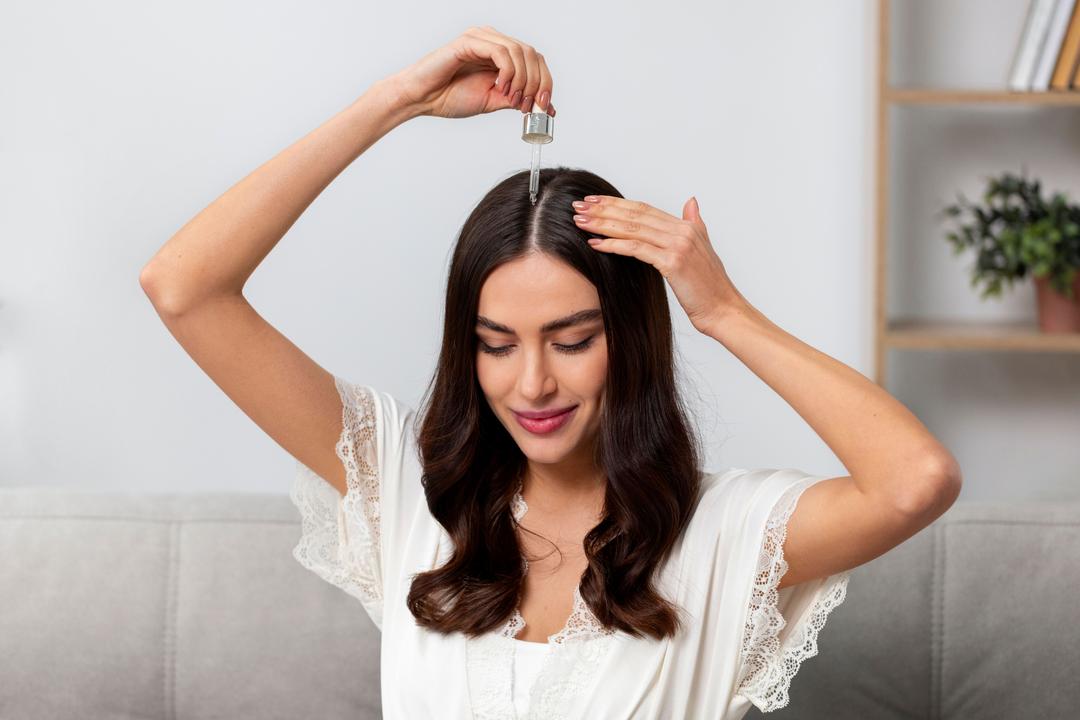
Hair Loss is one of the most common problems today — and it doesn’t matter whether you’re a man or a woman. The hardest part? Finding a treatment that actually works without causing more harm than good.
Among the many products in the market, Minoxidil is one name that keeps coming up. It’s widely used, dermatologist-backed, and one of the few treatments proven to help hair regrowth. But like any treatment, it has its pros and cons.
At Traya, we’ve seen in our own clinical studies that a complete hair plan works 3X better than Minoxidil alone. Still, Minoxidil remains an important part of many treatment journeys. So let’s break it down — how it works, its benefits, side effects, and who should avoid it.
What is Minoxidil and How Does it Work?
Interestingly, Minoxidil wasn’t originally made for hair. It started as a medicine for high blood pressure. But doctors noticed something unusual — patients were growing more hair. That’s when it was reformulated as a topical solution for the scalp.
-
How it works: Minoxidil “wakes up” resting hair follicles by pushing them from the resting (telogen) phase into the growth (anagen) phase.
-
Result: Thicker, stronger, and healthier strands.
-
Forms: Usually available as 2% or 5% solutions. The 5% tends to work faster but also has a slightly higher risk of irritation.
⚠️ Note: Teenagers are advised not to use Minoxidil.
Benefits of Minoxidil
Minoxidil has been clinically tested for decades and has multiple benefits:
-
Boosts hair growth → especially in pattern hair loss (male/female).
-
Makes hair look fuller → by increasing strand thickness.
-
Prolongs the growth phase → keeping hair growing for longer.
-
Helps with early thinning → works best if follicles are still active.
-
Aids recovery after hair fall triggers → like stress, illness, or diet changes.
-
Supports a healthier scalp → by improving blood circulation.
Some people also use it for beard and eyebrow growth, though scalp use remains its primary purpose.
Side Effects of Minoxidil
While generally safe, Minoxidil can cause some side effects — usually mild and temporary.
Common Side Effects
-
Scalp irritation: Itching, redness, or burning (more common with the 5% solution). Foam-based versions may reduce irritation.
-
Dryness or scaling: Sometimes worsens dandruff or seborrheic dermatitis.
-
Initial shedding: Increased hair fall in the first few weeks (a good sign that new hair is pushing out old strands).
-
Mild itching: Even without visible redness.
Less Common Side Effects
-
Allergic reactions: Usually to propylene glycol (an ingredient in some solutions). Switching to foam often solves this.
-
Unwanted facial/body hair (hypertrichosis): Rare, but possible, especially in women using higher strengths.
-
Worsening scalp conditions: In people with sensitive or inflamed skin.
Rare but Serious Side Effects
Very rarely, if too much is absorbed into the bloodstream:
-
Dizziness or fainting.
-
Irregular heartbeat.
-
Chest pain or swelling of hands/feet.
-
Breathing difficulty.
👉 If any of these occur, stop use and seek medical advice immediately.
Who Should Avoid Minoxidil?
Minoxidil works well for many, but not everyone should use it. Avoid or use with caution if:
-
You have scalp issues → open wounds, eczema, or infections.
-
You have heart problems → consult your doctor first, since Minoxidil was originally a heart medicine.
-
You’re pregnant or breastfeeding → safety is not fully studied, so it’s best avoided.
-
You have kidney or liver issues → your body may not process it well.
-
You have a history of allergies to topical products → always patch-test before use.
Myths About Minoxidil
Let’s clear up a few misconceptions:
❌ “Minoxidil works instantly.” ✔️ It takes 3–6 months of consistent use to see results.
❌ “It’s only for men.” ✔️ Women can also use Minoxidil (with lower strength solutions).
❌ “Once you start, you can’t stop.” ✔️ It’s not addictive. But stopping means hair may return to its pre-treatment state.
❌ “It makes hair grow everywhere.” ✔️ It only grows hair where applied. Unwanted hair is rare and usually from accidental transfer.
❌ “It’s a permanent cure for baldness.” ✔️ It slows hair loss and promotes growth, but ongoing use is needed to maintain results.
Traya’s Take on Minoxidil
At Traya, we believe Minoxidil works best when it’s part of a complete, personalised plan — not a standalone fix.
-
Ayurveda: Herbs like Bhringraj & Ashwagandha calm stress and balance hormones.
-
Dermatology: Minoxidil, Finasteride, and Ketoconazole work on the scalp.
-
Nutrition: Vitamins and diet plans tackle deficiencies and gut health.
This three-fold approach means stronger results, fewer relapses, and healthier hair overall.
Final Verdict: Should You Try Minoxidil?
Yes — if you’re in the early stages of hair thinning and are consistent with use, Minoxidil is one of the best science-backed solutions available. But:
-
It’s not an overnight fix (expect results in 3–6 months).
-
It works best as part of a broader, root-cause plan.
-
Not everyone should use it (check the “who should avoid” section).
👉 If you’re unsure, start with Traya’s Free 2-Minute Hair Test. It helps identify whether Minoxidil is right for you, or if your hair fall is due to another root cause.
People Also Ask
Does Minoxidil really work? Yes. It’s proven to help in pattern hair loss for men and women.
Is Minoxidil safe daily? Yes, if used as directed. Minor irritation is possible.
When will I see results? Expect baby hairs in 3 months, fuller results in 5–6 months.
Can women use Minoxidil? Yes, but usually at 2% strength unless prescribed otherwise.
What happens if I stop? Hair may return to the pre-treatment stage. Continuous use maintains results.
✨ Bottom line: Minoxidil is effective, safe for most people, and dermatologist-approved. But it’s not a magic cure. For the best results, pair it with lifestyle changes, nutrition, and medical guidance — just like we do at Traya.